Occasional Sweating At Night
Night sweats are differentiated from primary hyperhidrosis, which is characterized by excessive sweating from one area of the body. According to an article by James Mold and colleagues in the 'Annals of Family Medicine,' physicians are unable to discern the cause of night sweats if the symptom appears without an associated illness 1. A common symptom of anxiety disorders are night sweats. Undiagnosed sleep apnea-Sleep apnea is a disorder that stops breathing during sleep. This has numerous side effects and if left untreated could result in excessive sweating at night. Of course, these are just a few of the most common conditions associated with night sweats.
What causes night sweats in men? For the most part, several of the same factors that give women night sweats are the same ones that affect men, except for the hormonal changes that women undergo in their 40s and 50s as a symptom of perimenopause. That said, night sweats can occur because of a low testosterone level, also known as low T.
It’s difficult to gather proper data about night sweats in men because most men don’t report these instances to their doctors, likely because they don’t think it indicates anything. But the truth is that night sweats can tell your doctor about what’s going on in your body, so it’s important to document these occurrences.
But the truth is that night sweats can tell your doctor about what’s going on in your body, so it’s important to document these occurrences.
Several factors can cause night sweats, including panic attacks, sleep problems, numbness in hands and feet, fever, anxiety, and trouble breathing at night. Sweating at night can also be a side effect of some medications, including those often prescribed for depression.
Common Causes of Night Sweats in Men
1. Low Testosterone
As men age and get past 40, testosterone levels drop as much as one percent per year. Low T is when a man loses more than one percent per year, and can be a cause of night sweats in men over 50. In fact—the most common cause of night sweats in men is related to low T. Be sure to see your doctor if you are sweating a lot at night so they can check your testosterone level and determine if some kind of hormonal therapy is necessary.
2. Fever
A fever is the body’s way of fighting off many health conditions, including bacterial and viral infections. When the body heats up, it releases some of its excess temperature through the skin, which causes excessive sweating.
3. Hyperhidrosis
This is a condition in which someone sweats uncontrollably for no apparent reason. With this condition you need to avoid triggers that cause you to sweat; in some cases these are food triggers, such as caffeine, spicy foods, and alcohol. Smoking, while not a good idea in general, can also be a trigger for excessive sweating, so it’s best to avoid this too.
4. Respiratory Infections
A bacterial infection in the lungs can cause fever and chills, which can lead to sweating at night. Night sweats are more common during the acute phase of a respiratory illness.
5. Anxiety
If you’re anxious or stressed, the body sometimes seems to take on a life of its own and act out in ways that deal with the stress. A racing heart, racing thoughts, dizziness, high blood pressure, and sweating at night are all common symptoms of deep anxiety.
6. Adrenal Fatigue
When the body is tired and burnt out, adrenal crashing can occur. Your cortisol level is typically low during adrenal fatigue, and sweating at night, because of the dip in this important hormone, can occur. Get yourself back to better health by healing adrenal fatigue with a healthy diet.
7. Medications
Certain medications can cause night sweats, including prescriptions for depression, anxiety, hormone replacement therapy, and drugs that lower your blood sugar level.
8. Alcohol
A common cause of night sweats is alcohol, especially when you’ve had a few too many. Sweating is just one of the body’s ways of trying to remove excess alcohol and toxicity. Be sure to rehydrate with plenty of water by drinking some before you go to bed, or in between alcoholic drinks.
A less common cause of night sweats is lymphoma, a type of cancer. These night sweats, however, are profuse—you will wake up soaked in your own sweat. See a doctor as soon as possible should you wake up this way for a few nights in a row, as this is a serious cause for concern.
Night Sweating Men
How to Prevent Night Sweats in Men
Some causes of sweating at night are out of your control, such as sweating as a result of lymphoma. But they’re not all like that. Below are a few ways you can prevent further male night sweats.
Occasional Excessive Sweating At Night
- Avoid drinking alcohol a few hours before bed.
- Don’t smoke.
- If medications are causing night sweats, speak to your doctor about alternatives, but don’t stop taking the medication until you have spoken with them.
- Try to reduce the amount of stress and anxiety in your life. Take breaks throughout the day, meditate, go for walks, and unwind appropriately before bed.
- Avoid eating spicy foods.
When to See the Doctor
Though night sweats in men do occur, especially after age 50, they can happen on occasion to anyone. The following are reasons to be concerned and to see a doctor:
- When they happen on a regular basis. Try to keep track so you can share the data with your doctor.
- When they interrupt your sleep.
- When they happen in combination with a fever and other symptoms, such as weight loss.
Read Next:
Sources for Today’s Article:
Stewart, J., “The Truth about Your Night Sweats,” Men’s Health web site;
http://www.menshealth.com/health/truth-about-night-sweats, last accessed April 25, 2016.
“Night Sweats,” Mayo Clinic web site;
http://www.mayoclinic.org/symptoms/night-sweats/basics/causes/sym-20050768, last accessed April 25, 2016.
Davis, K., “Common Causes of Night Sweats in Men,” Livestrong web site;
http://www.livestrong.com/article/274141-common-causes-of-night-sweats-in-men/, last accessed April 25, 2016.
“Low T, High Temps: Testosterone and Night Sweats,” Health Line web site;
http://www.healthline.com/health/low-testosterone/night-sweats#LowT,HighTemps3, last accessed April 25, 2016.
Surgery can be difficult on the body in a number of ways and unfortunately night sweats after surgery is not uncommon.
There are a number of things that go along with surgery, from the anesthesia and medication to the incision and the procedure itself, and sometimes one or more of these things can cause night sweats after surgery.
What Causes Night Sweats After Surgery?
Not everyone experiences it, but excessive sweating after surgery is not uncommon. Some people even experience cold sweats after surgery where they wake up chilled but drenched in sweat. There are a few possible reasons for night sweats post surgery.
Sweating At Night Causes
Anesthesia
While sweating isn’t listed as a common side effect of general anesthesia, some people may experience sweating while sleeping for the first couple of nights after surgery. Drinking more water may help your body cleanse more quickly and help provide relief. It is also possible the sweating experienced the first few days after surgery is due to inflammation and pain that results from the surgery.
Medications
Medications are one of the possible night sweats causes after surgery. This can include post-operative medications prescribed to help you deal with the pain experienced after surgery, or medications that were prescribed to treat your condition.
Painkillers prescribed for post-operative care have been known to cause sweating in some people. In some cases reducing the amount of painkillers or switching to a different medication has helped reduce night sweats. Keep in mind pain can also cause night sweats, so getting rid of your pain medication and dealing with the pain instead may not really provide help for night sweats. Always talk to your doctor before you make any changes to your prescribed medication.
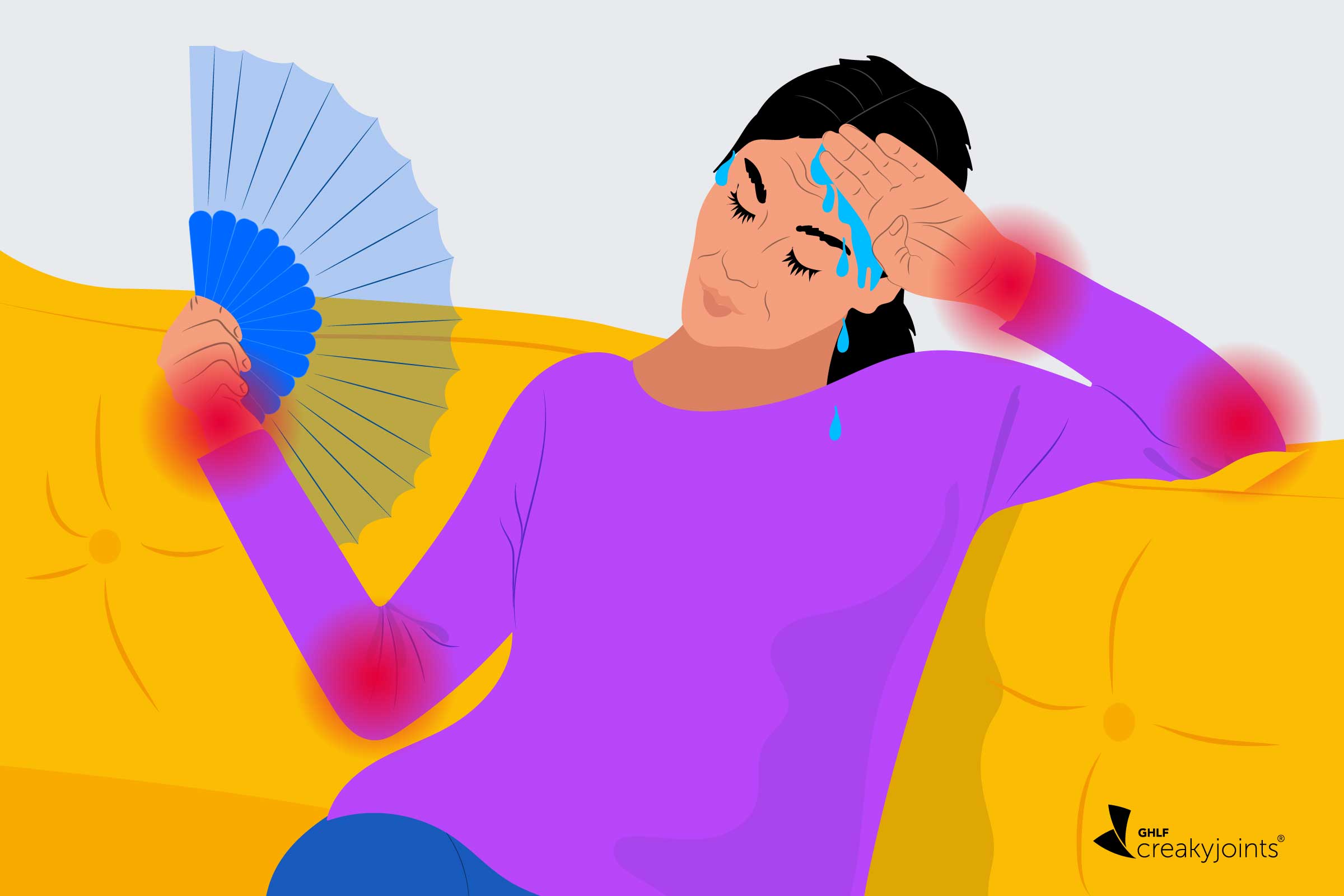
Sometimes the medication prescribed to help treat a medical condition after surgery may cause night sweats. If you are taking medications to treat heart disease, cancer or another health condition and it is causing you to sweat excessively at night talk to your doctor to see if there is an alternative medication that may help reduce your night sweats.
Infection
Keep in mind one of the possible causes of night sweats is an infection. While most people don’t have a problem with infection after surgery, this is a possible risk with any incision. If you suspect you may have an infection because you have a fever with a temperature of 101 or higher and increased pain consult your doctor right away.
Low Blood Sugar
Low blood sugar, also known as hypoglycemia, can cause sweating at night. If you’re not eating enough or enough of the right foods after surgery this can cause sweating along with heart palpitations, irritability or dizziness.
Healing

The process of healing can also trigger night sweats in some people. In this case the best night sweats treatment is time and good care. Because inflammation is common during healing this may also contribute to the sweating you are experiencing. Talk to your doctor about anti-inflammatory medications if they weren’t already prescribed.
Note: Because of possible drug interactions and side effects it is important to carefully follow your doctor’s instructions for both prescribed medications and over-the-counter medications after surgery. Let your doctor know about any medications you are taking and follow his or her instructions.

Surgeries That May Cause Night Sweats
Sweating after surgery is a possibility after any type of surgery, but certain types of surgery have a greater risk of causing night sweats. This includes any surgery that interferes with hormone production.
One common example of this is a hysterectomy. Night sweats in women are often triggered by a hysterectomy. Removing the uterus and ovaries disrupts natural hormone production and it can cause low estrogen symptoms that are common during menopause. Even women under 40 can start experiencing menopause night sweats after a hysterectomy. Surgeries and treatment for various reproductive cancers are also common night sweats causes.
Along the same lines, night sweats in men can be caused by treatments for prostate cancer or other conditions of the prostate. Specifically, hormonal therapy used to treat prostate cancer has the possible side effect of hot flashes or sweating while sleeping.
Ironically surgery sometimes used to treat hyperhidrosis (the clinical term for excessive sweating) can also cause sweating after surgery.
Excessive Sweating After Surgery For Sweating
Excessive Sweating At Night While Sleeping
Hyperhidrosis is a medical condition that causes excessive sweating for no apparent or obvious reason, usually around the armpits, the palms, face or feet. This uncommon condition doesn’t cause a health risk, but because it can be embarrassing it can significantly impact a person’s day-to-day life.
There are a number of treatment options for hyperhidrosis, but if non-surgical options don’t work sometimes surgery is recommended to reduce the sweating in more severe cases. There are a few different types of surgery for hyperhidrosis. There are procedures to block or interrupt the nerve signals that cause the sweating. Another option is to remove the sweat glands in the affected areas.
Occasional Night Sweats Causes
Like any other procedure, unfortunately these procedures also come with some risk. Some people experience increased gustatory sweating – facial sweating when eating or smelling food after the surgery. This type of sweating is rarely severe though.
Another possible risk is compensatory sweating. Because surgery for sweating stops excessive sweating in certain parts of the body, the sweating may start to occur in other areas. The sweating may move to the low back, abdomen or groin area. In most cases the compensatory sweating isn’t as bad as the excessive sweating that was occurring before the surgery, but some sort of compensatory sweating is common after surgery for hyperhidrosis.
Occasional Night Sweats In Men
Night sweats after surgery isn’t necessarily uncommon, but it is important to talk to your doctor if you have concerns or if you continue to sweat at night for a long time after the surgery.